Different Doesn't Mean Wrong
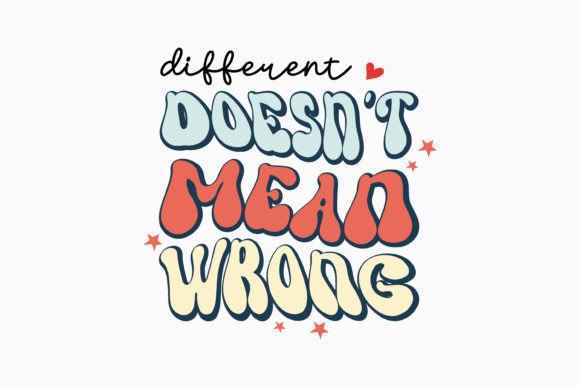
As a designer who's spent years working with machine embroidery designs, I approach every new file with a mix of curiosity and skepticism. When I first saw the "Different Doesn't Mean Wrong" SVG design, I was immediately drawn to its bold, retro aesthetic and the way it balances simplicity with emotional depth. It’s not just a design—it’s a statement. But how does it hold up in real-world embroidery projects? Let’s break it down.
The First Impression
The "Different Doesn't Mean Wrong" design has a distinct personality. Its retro vibe is unmistakable, with clean lines and a minimalist layout that feels both nostalgic and modern. The quote itself is the focal point, and the typography is strong enough to stand out on any fabric without overwhelming the space. It’s a design that invites reflection, making it ideal for handmade products that aim to connect emotionally with the user.
This isn’t a design that screams for attention—it whispers. That makes it perfect for subtle embroidery on items like tote bags, sweatshirts, or even baby onesies. The visual balance is good, and the overall composition feels intentional, which is a big plus when you're trying to create a cohesive look for your craft business or Etsy shop.
Real-World Embroidery Performance
When I tested "Different Doesn't Mean Wrong" on a few different fabrics, the results were mostly positive. On cotton t-shirts and tote bags, the design looked clean and professional. The stitch density wasn’t too heavy, which is great for avoiding bulkiness on thin or stretchy materials. However, I noticed that the design might struggle on very textured fabrics or dark backgrounds where the thread color doesn’t contrast well.
For custom apparel, especially sweatshirts or caps, the design works well as long as the hoop size is appropriate. If you’re using a small hoop, you’ll need to be careful with the placement of the text to avoid distortion. For baby items, the design is safe but might benefit from a slightly larger font to ensure readability.
On thicker fabrics like denim or canvas, the design holds up better, but you’ll still want to use the right stabilizer to prevent puckering. For embroidered patches, the design is versatile and could work well as a standalone piece or as part of a larger applique design.
Where to Use It Carefully
There are a few situations where "Different Doesn't Mean Wrong" might not perform as expected. On small hoop sizes, the design could lose some of its clarity, especially if the lettering is tight. For curved surfaces like caps or hats, the design may require some adjustment to fit properly without stretching or distorting.
If you're planning to use it on thin or stretchy fabrics, make sure the thread colors contrast well with the background. Dark fabrics can be tricky unless you choose a bright or contrasting thread color. Tiny lettering or detailed corners might not show up as clearly as you’d like, so consider scaling the design up if needed.
For commercial embroidery projects, the design is a solid choice, but always check the licensing terms before selling finished products. It’s also worth testing the design on black and white mockups to see how it translates without color. This helps you understand how it will look on different fabrics and in various applications.
Impact on Visual Appeal and Customer Perception
"Different Doesn't Mean Wrong" adds a unique touch to any project. Its emotional resonance makes it a great fit for personalized gifts, handmade products, or boutique branding. Customers often appreciate designs that feel meaningful, and this one has that quality. It can elevate the perceived value of a product, especially if it’s used in a thoughtful way.
From a branding perspective, the design is consistent and recognizable. It can help reinforce a message of self-acceptance or mental health awareness, which is a powerful tool for small businesses or creative entrepreneurs. For Etsy sellers, this design could stand out in a crowded marketplace if presented effectively.
When it comes to customer trust, the design’s clarity and professionalism play a big role. A well-executed embroidery project builds confidence in your work, which can lead to repeat customers and positive reviews. The design’s versatility also means it can be used across multiple product types, giving you more options for your craft business.
Practical Designer Notes
Before finalizing any project with "Different Doesn't Mean Wrong," I recommend doing a few key checks. First, test the design on scrap fabric to see how it looks in real life. This helps you identify any issues with stitching, thread color, or fabric compatibility.
Review the stitch density to make sure it’s suitable for your chosen fabric. If the design is too dense, it might cause puckering or damage to delicate materials. Confirm the hoop size required for your embroidery machine and adjust the design if necessary.
Inspect the small details closely—especially the corners and lettering. These areas can sometimes get distorted during the embroidery process. Test the design in black and white mockups to see how it looks without color, and compare it against light and dark fabric backgrounds to ensure visibility.
Use the proper stabilizer for your fabric type, and always check whether the design is suitable for both personal and commercial use. If you’re planning to sell finished items or digital products, confirm the licensing terms to avoid any legal issues.
Final Thoughts
"Different Doesn't Mean Wrong" is a design that feels both authentic and adaptable. It’s not perfect for every situation, but when used correctly, it can add a meaningful touch to a wide range of embroidery projects. Whether you’re an Etsy seller, a small shop owner, or a hobbyist, this design offers a unique opportunity to express creativity while maintaining professionalism.
As with any embroidery file, the key to success lies in understanding its strengths and limitations. With the right approach, "Different Doesn't Mean Wrong" can become a valuable asset in your design toolkit.