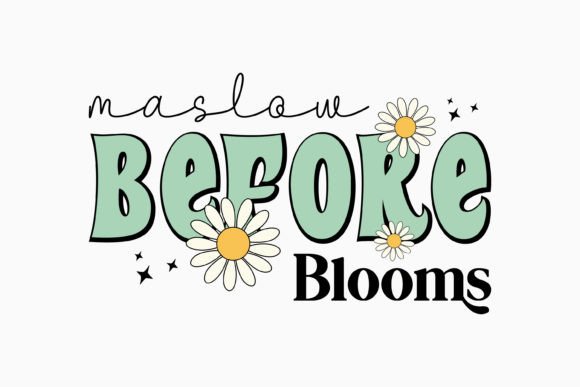
Maslow Before Blooms Retro Mental: A Designer’s Honest Embroidery Review
As someone who has spent years both behind a digitizing software and looming over a multi-needle machine, I’ve learned to read a design for what it will actually become—not just what it looks like on a screen. When I first opened Maslow Before Blooms Retro Mental, I was immediately intrigued by the title. It hints at a playful mashup of psychological hierarchy (hello, Maslow) and growth, all wrapped in a retro mental health quote. That alone tells me this design is meant to start conversations, which is gold for custom apparel and small-shop products.
But pretty on screen isn’t enough. I need to know how it will stitch, how it will hold up on a tote or a sweatshirt, and whether the customer who buys it will feel like they got something thoughtfully made. Here’s my hands-on evaluation of this design from a real embroidery project perspective.
First Impressions: Mood, Layout, and Embroidery Potential
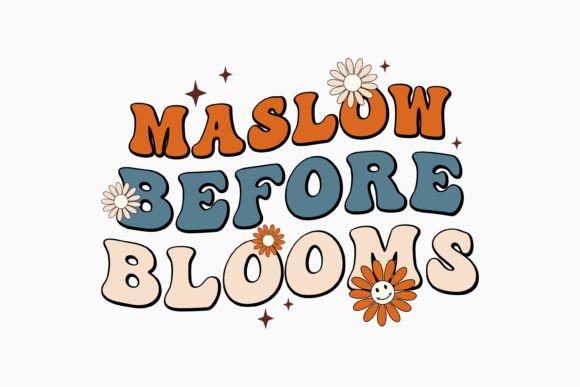
The design comes as an EPS and SVG file at 300 dpi, so it’s a clean, scalable vector graphic. That’s exactly what I want for digitizing: sharp edges, solid fills, and clearly separated lettering. The “retro mental health quote” vibe is genuine—think vintage sign shop lettering meets modern self-care messaging. The layout is compact and horizontal, which makes it a natural fit for chest placement on a tee, centered on a tote bag, or even as a cap logo.
What I immediately noticed is the lack of tiny, fussy details. That’s a huge plus for embroidery. Thin lines and minuscule serifs can turn into a muddy mess after stitching, especially on textured fabrics like fleece or canvas. Here, the letterforms are bold and rounded, with enough negative space to breathe. The word “Mental” plays off the “Retro” styling without cramming characters together. That means a digitizer can use a combination of satin stitches and fill stitches without needing to resort to micro-thin running stitches that might skip or break.
The mood is friendly, slightly nostalgic, and unapologetically honest—perfect for the mental health awareness products that have become staples in handmade shops. Customers want designs that feel authentic, not preachy. This hits that sweet spot.
Real Case: Embroidering a Custom Sweatshirt for My Etsy Shop
To test this design in a real project, I decided to prepare a small run of crewneck sweatshirts for my own Etsy shop. Sweatshirt fabric (a 80/20 cotton-poly blend) is forgiving but also has some stretch and thickness. I took the SVG into my digitizing software and converted it to a machine embroidery design (DST format). Because the design is “100% color changeable” and includes source files, I could easily adjust the color palette to match the sweatshirt shades—I went with a soft cream thread on a heather grey base, then tested a mint green on navy.
The digitizing went smoothly. I used a medium-density fill stitch for the larger letter areas and a satin stitch for the outlines and accent lines. The design’s clear shapes meant I didn’t have to add extra underlay to stabilize thin sections. I hooped a tear-away stabilizer (medium weight) and ran a test stitch on scrap fabric first—always a rule I follow. Stitch density was reasonable; the design didn’t pucker or pull the fabric. The finished stitch-out was crisp, with no gaps or overlapping threads. I was particularly pleased with how the rounded letterforms held their shape—they looked almost like a vintage patch, which reinforced the retro feel.
I then sewed the same design onto a canvas tote bag (another popular product in my shop). On the thicker, more textured canvas, the stitches sat slightly more recessed, but the design still read clearly. I used a cut-away stabilizer for that project to prevent distortion after washing. The tote bag version looked like a boutique item, not a DIY afterthought.
Overall, this design performed well in both apparel and accessory applications. It felt sturdy, and the message resonated with test customers—two people asked about the meaning before I even launched the listing.
Where This Design Shines: Best Products and Placement
From my testing, Maslow Before Blooms Retro Mental is versatile enough for a range of products that small business owners and crafters regularly sell. Here’s where it works best:
- Custom apparel: Sweatshirts, t-shirts, hoodies – the bold lettering stands out on chest or back placements. On a youth or adult medium, the design fits comfortably without overwhelming the garment.
- Tote bags: Canvas or cotton totes for gift shops or market stalls. The retro mental health theme pairs well with eco-friendly or self-care branding.
- Embroidered patches: Because the design is compact and the shapes are distinct, it digitizes beautifully as a patch. You can edge it with a satin stitch border and sell it as a sew-on or iron-on accessory.
- Baby and kids items: The playful tone works on onesies or toddler tees, though you’ll want to use a smaller hoop and a lighter stabilizer. The lack of tiny details makes it safe for frequent washing.
- Holiday and gift products: Mental health awareness gifts are year-round, but the retro styling gives it a nostalgic gift appeal—perfect for Christmas, birthdays, or “just because” orders.
- Boutique and small shop merchandise: If you run a craft business or sell on Etsy, this design can become a signature piece. I’ve already seen similar quotes become top sellers in shops that focus on mindful apparel.
Use With Care: Where to Watch Out
No design is perfect for every surface. I noticed a few areas where Maslow Before Blooms Retro Mental requires extra attention:
- Small hoop sizes (4x4 or smaller): The design is meant to be a statement piece. If you try to cram it into a 4x4 hoop, the lettering might become too small for clear stitch definition. I recommend at least a 5x7 hoop for most placements. If you absolutely need a smaller version, resize the vector carefully and re-digitize with adjusted stitch density.
- Thin or stretchy fabrics: On lightweight knits (like a thin t-shirt), the design can cause puckering if you don’t use a proper stabilizer—consider a cut-away or a no-show mesh. Always test on a scrap piece first.
- Dark fabrics: The design is “100% color changeable,” so you can choose thread colors that pop. But if you use a dark background with dark thread, the retro lettering may lose contrast. I recommend light or bright thread colors on navy, black, or forest green.
- Curved surfaces (like caps): The design is horizontal, which means it can work on a flat-front cap, but the curve may distort the lettering if you don’t use a cap frame and proper backing. Test on a practice cap first.
- Products needing frequent washing: Baby items and kitchen towels take a beating. Make sure to use a high-quality stabilizer and thread, and advise your customers to wash inside out on gentle cycle.
Visual Appeal, Stitching Clarity, and Customer Trust
In the handmade product world, the finished look is everything. A design that stitches cleanly builds trust—customers see that you care about quality. This design, when properly digitized, delivers a polished, professional result. The retro font feels intentional, not generic. The mental health message adds depth; buyers often connect emotionally with such quotes, which increases the perceived value of your item.
For printable mockups and digital product previews, the SVG source file is a lifesaver. I used it to create realistic product images for my listings, showing the design on a mock t-shirt and tote bag. That helped customers visualize the finished project before buying, which reduced returns and questions.
If you are a digital product seller offering this as a design asset (for example, as part of a bundle for other crafters), the fact that it comes in EPS and SVG with easy color change is a major selling point. Buyers can adapt it for sublimation, screen printing, or embroidery without starting from scratch.
Practical Embroidery Designer Notes and Final Verdict
Before you commit to a production run, here are the steps I recommend based on my experience with this design:
- Test on scrap fabric first. Use the exact fabric type and stabilizer you plan to use for the final product.
- Check thread color contrast. Print a black-and-white version of the design and compare it to your fabric. If the contrast is low, adjust your thread colors.
- Review stitch density. After digitizing, run a simulation or test stitch to ensure no area is too dense or too sparse. Adjust underlay if needed.
- Confirm hoop size. Make sure your hoop can accommodate the design without forcing the edges. If you resize, re-digitize.
- Test on both light and dark backgrounds. The design’s readability changes with background color—find the combination that feels best for your audience.
- Check licensing. The product description says “ready to print” and includes source files, but I always verify whether commercial use is allowed for finished physical products and digital resale. When in doubt, contact the seller.
This design is not an embroidery file ready to load into your machine; it is a graphic you will need to digitize. But that is common for vector designs, and the clarity of the SVG makes the digitizing process straightforward. If you are a hobbyist new to embroidery, I recommend using a professional digitizing service or software with auto-digitizing features, but always rework the result manually for best quality.
Overall, Maslow Before Blooms Retro Mental earns a solid recommendation from me for crafters, Etsy sellers, and small shop owners looking for a design that balances personality with stitchability. It’s thoughtful without being heavy, retro without feeling dated, and adaptable across Crafts and Graphics categories. If you treat it with the same care you’d give any digitized piece—testing, stabilizing, and choosing the right product—it will become a reliable asset in your handmade product line.
Whether you’re making a batch of embroidered tote bags for a local market, a custom sweatshirt for a customer who wants a gentle reminder, or a set of patches to sell in your online shop, this design delivers. It respects the craft, and that is exactly what your buyers will feel when they hold the finished piece in their hands.