American Dreaming 4th July SVG: A Designer’s Review
I’ve been working with machine embroidery designs for over a decade, and I’ve learned that not every digital file that looks good on screen translates well into thread. When I first opened the American Dreaming 4th July SVG, I was immediately drawn to its bold, unapologetic patriotism and clean layout. This isn’t a fussy, over-decorated design. It states its message clearly and lets the American pride speak for itself. For anyone in the craft business or custom apparel space, that kind of direct visual personality is a gift. It tells you exactly what kind of project it belongs to and what kind of customer will love it.
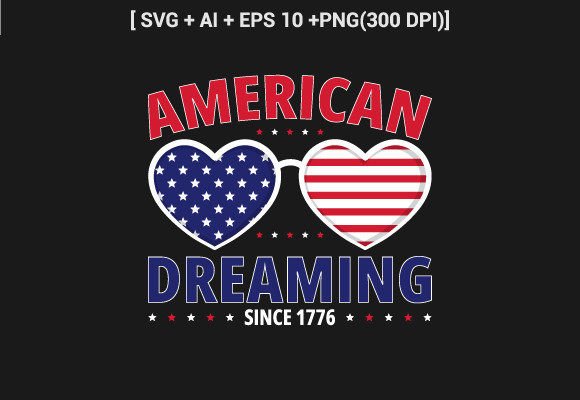
The composition is straightforward: a strong typographic statement with a patriotic heart. The phrase “American Dreaming since 1776” carries both pride and a bit of storytelling. As a designer, I appreciate that the layout leaves room for the words to breathe. There’s no crowded clustering of elements. That matters when you move from a digital mockup to an actual hoop. The design feels rooted in tradition but still fresh enough for modern handmade products and small shop merchandise. It belongs naturally on a tote bag, a sweatshirt, a cap, or a pillow cover. It also fits well in the printable mockup space for Etsy sellers who want to show off a finished product before stitching.
First Thoughts on Stitching Potential
When I evaluate any embroidery file, I’m already thinking about stitch density, thread colors, and fabric texture. The American Dreaming 4th July SVG has a typography-heavy layout, which means the success of the finished project depends heavily on letter size and contrast. The word “American” carries the most visual weight, and if you’re working with a fill stitch or satin stitch on a sweatshirt, that word is going to stand out beautifully. The “since 1776” portion is smaller and acts as a secondary line, which gives the design a nice hierarchy. That secondary line is where you need to be careful. If you’re hooping a small space or working with a delicate fabric, those smaller letters can lose definition. I’d recommend testing the design on scrap fabric first to see how the finer details hold up in thread.
The overall mood of the design is confident and celebratory. For a holiday embroidery project like the Fourth of July, that tone is exactly what buyers are looking for. They want something that feels festive but not cartoonish. This design strikes that balance. It’s suitable for both personal gifts and commercial embroidery projects. I could see this on an embroidered patch for a denim jacket, on a set of kitchen towels, or even as a boutique product for a small shop running a holiday collection.
A Real Project Test: The Custom Tote Bag
I decided to test the American Dreaming 4th July SVG on a medium-weight canvas tote bag. This is a popular product for craft business owners and Etsy sellers. Tote bags are forgiving in some ways and tricky in others. The fabric holds stabilizer well, but the texture can absorb thread sheen if you don’t choose the right thread colors. I used a bright red for the main text and a deep navy for the secondary line, with a white outline to create separation. The design digitized cleanly. The fill areas were smooth and the satin stitch on the larger letters had a nice, polished look. The smaller “since 1776” line required a bit of attention. I had to make sure the stitch density wasn’t too tight, otherwise the fabric would have puckered. A medium-weight cutaway stabilizer did the job. The finished tote looked professional and giftable. I could see this selling well at a craft fair or as a personalized gift for a client who loves American history and bold design.
One thing I noticed is that the design works best when the fabric color provides high contrast. On a white or light gray tote, the red and blue popped immediately. On a darker fabric, like navy or black, you’d need to invert the color strategy or add a white underlay to keep the design readable. That’s a standard consideration for any embroidery project, but it’s worth calling out specifically for this design because the lettering is the star of the show. If the contrast isn’t there, the message gets lost.
Performance Across Different Product Types
The American Dreaming 4th July SVG is versatile enough to work on a wide range of products in the Crafts category. Here’s how I see it performing in real-life embroidery situations:
- Custom apparel: T-shirts and sweatshirts are the most obvious home for this design. On a t-shirt, keep the hoop size moderate and use a lightweight stabilizer. On a sweatshirt, the thicker fabric handles fill stitch well, and the design feels substantial without being heavy.
- Tote bags and aprons: The design’s sturdy layout is perfect for these products. The bold typography doesn’t get lost in the seams or pockets. For an apron, I’d place it on the front panel or a lower corner for a subtle but proud statement.
- Baby and children’s items: This is a less obvious application, but I’ve seen parents request patriotic designs for baby onesies and bibs for the Fourth of July. The design would need to be scaled down significantly for a 4x4 hoop. The smaller letters could become problematic at that size. I’d only recommend this for kids’ items if you have a larger hoop and can keep the text readable.
- Caps and hats: Curved surfaces like caps are tricky for any design with horizontal text. The “American Dreaming” line would curve with the cap, and the “since 1776” line might need adjustment to sit properly. I’d suggest testing on a practice cap before offering this as a custom cap option.
- Pillow covers and tea towels: These home goods are great for holiday gifting. The design’s clean look fits well on a throw pillow or a set of kitchen towels. For towels, use a water-soluble stabilizer on top to prevent the stitches from sinking into the terry cloth.
- Embroidered patches: This design would make a fantastic patch. The typography is clear enough that it would work as a standalone patch for jackets, backpacks, or hats. Use a tight satin stitch border and trim the fabric close for a professional finish.
Where This Design Needs Careful Handling
No design is perfect for every situation, and the American Dreaming 4th July SVG has a few areas that require attention. The most obvious is the smaller secondary text. If you’re hooping anything smaller than a 5x7, those smaller letters may become difficult to stitch cleanly. Test on scrap fabric first. If the letters start to look blurry or the needle pulls the fabric, consider increasing the letter size or simplifying the design by removing the secondary line.
Textured fabrics like linen, burlap, or heavy cotton weaves can also cause problems. The needle can catch on the texture and distort the lettering. Use a cutaway stabilizer and a fresh needle. For stretchy fabrics like jersey knit t-shirts, a tearaway stabilizer alone won’t be enough. Pair it with a cutaway layer to prevent the design from stretching out of shape. Dark fabrics require careful thread color selection. The design’s patriotic palette works best on light to medium backgrounds. On black or deep navy, you’ll want to use a white or light blue underlay to keep the red visible.
Dense stitch areas are not a major concern with this design, but if you’re using a fill stitch for the larger letters, monitor the stitch count. Overly dense stitching can make the fabric stiff and uncomfortable, especially on t-shirts. Adjust the density in your digitizing software if needed. For commercial embroidery projects where you’re producing multiple units, consistency is key. Run a test batch on your target fabric before committing to a large order.
Visual Appeal and Customer Impact
In the handmade product space, presentation is everything. The American Dreaming 4th July SVG has a classic, trustworthy look that appeals to a wide range of buyers. It’s not trendy in a way that will feel dated next year. The patriotic theme is evergreen, especially around the Fourth of July, but it also works for year-round American pride gifts, heritage displays, and nostalgic decor. Customers who buy this type of design are looking for something that feels genuine and well-crafted. The bold typography communicates confidence, and the historical reference adds a layer of meaning that goes beyond a simple flag graphic.
For Etsy sellers and small shop owners, this design offers strong brand consistency. You can use it across multiple products—tote bags, sweatshirts, coasters, posters, and digital printables—and the visual identity holds up. The PNG file included in the set works well for printable mockups, so you can preview the design on your listings before stitching. That’s a practical advantage for anyone selling finished products online. Customers appreciate seeing an accurate mockup of what they’re buying, and this design looks clean and professional in both digital and stitched forms.
Giftability is another factor I consider. This design feels gift-ready. Whether it’s a custom embroidered apron for a grill master or a personalized tote for a history enthusiast, the design has a thoughtful, intentional quality. It doesn’t feel like a generic clip art file. It feels like a design asset that was created with real products in mind. That matters for buyer engagement and customer trust. When someone receives a handmade item with this design, they see the care in the stitching and the message.
Practical Designer Notes Before You Stitch
Before you load this design into your machine and start stitching, here are a few notes I’ve gathered from my own testing and experience:
- Test on scrap fabric first. I cannot overstate this. Every fabric behaves differently. Run a test stitch on the exact fabric you plan to use for the final product. Check the letter clarity, the thread tension, and the stabilizer performance.
- Check thread color contrast. The design’s palette works best when the fabric is light to medium. On dark fabrics, use a white or light blue underlay, or consider reversing the colors so the text is white on a dark background.
- Review stitch density. If you’re digitizing the file yourself or using a converted format, check the density of the fill stitches. Too dense and the fabric will pucker. Too loose and the design will look unfinished. Aim for a balanced density that suits your fabric weight.
- Confirm hoop size. This design fits comfortably in a 5x7 hoop or larger. If you’re using a 4x4 hoop, you’ll need to scale it down carefully and test the smaller text for readability.
- Inspect small details. The “since 1776” line is the most delicate part of the design. Make sure it stitches cleanly before offering the design to customers. If it’s too small for your machine, consider increasing the overall size or removing that line for certain projects.
- Test in black and white mockups. This helps you see the design’s structure without the distraction of color. If the layout still reads clearly in monochrome, it will read well in color.
- Use proper stabilizer. For most woven and knit fabrics, a cutaway stabilizer is my go-to for this design. For towels and fleece, add a water-soluble topper to keep the stitches from sinking.
- Check licensing. The design is listed under Graphics and Crafts, and it comes with AI, SVG, EPS, and PNG file formats. Before selling finished products or digital items, confirm the license terms. If you’re a commercial embroiderer or an Etsy seller, make sure you have the right to use the design for your business. When in doubt, contact the seller for clarification.
Final Thoughts for Crafters and Shop Owners
The American Dreaming 4th July SVG is a solid addition to any embroidery design library. It’s not overly complicated, which is a strength in the custom apparel world. Simple, bold designs tend to stitch more reliably and please more customers. The patriotic theme is timeless, and the layout is versatile enough to work across a range of products in the Crafts space, from personalized gifts and holiday embroidery to boutique merchandise and small shop collections.
If you’re a creative entrepreneur or a handmade shop owner looking for a design that communicates pride and professionalism, this one deserves a spot in your rotation. It performs well on tote bags, sweatshirts, pillows, and patches. It needs a little extra care on small hoops, dark fabrics, and textured materials, but that’s true of most typography-heavy designs. With proper testing and the right stabilizer, you can produce finished products that look polished and sell well. That’s the kind of design asset every craft business needs.