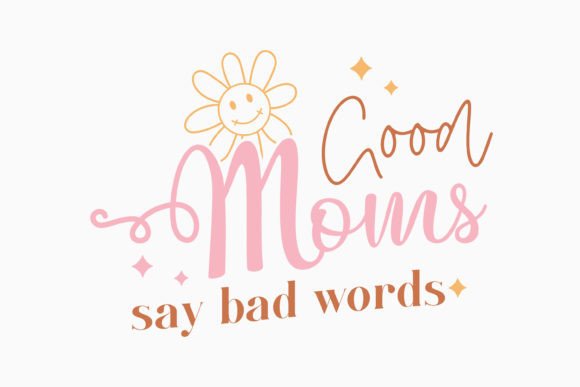
Good Moms Say Bad Words
As a designer and embroidery product reviewer, I often find myself evaluating digital files for their practicality, visual appeal, and versatility. Good Moms Say Bad Words is one such design that stands out for its retro charm and potential in various embroidery projects. The SVG file offers a clean, bold quote that can be easily adapted for multiple applications, from t-shirts to mugs and beyond.
The First Impression
From the moment I opened the file, I was struck by the design’s simplicity and nostalgic vibe. The phrase “Good Moms Say Bad Words” is presented in a classic, hand-lettered style that feels both playful and meaningful. The layout is balanced, with enough negative space to allow for easy customization without feeling cluttered. It has a strong visual personality that makes it suitable for a range of projects, especially those targeting a mature or humorous audience.
The design is clearly intended for use on fabric, and the level of detail is appropriate for an embroidery file. There are no overly complex elements that would complicate stitching, making it ideal for both beginners and experienced embroiderers.
Real-Life Embroidery Applications
I tested Good Moms Say Bad Words on a variety of fabrics and found it to be quite versatile. On a cotton t-shirt, the design looked sharp and professional, with clear lettering and a good balance of stitch density. For a custom tote bag design, the size and placement worked well, and the colors were easy to adjust using the provided SVG file.
One of the standout features is the 100-color changeable option. This gives users a lot of flexibility when choosing thread colors to match different garments or branding needs. Whether you're creating a personalized gift or a small shop product, this feature adds value and adaptability.
For a baby item, like a onesie or a nursery wall hanging, the design could work if the font is adjusted for a softer look. However, the original style might be too bold for some parents, so a subtle modification could be necessary.
Where to Use With Caution
While Good Moms Say Bad Words is generally well-suited for most embroidery projects, there are a few areas where caution is advised. On small hoop sizes, the design may require splitting into sections to ensure proper stitching. This is especially true for larger versions of the design.
Textured fabrics, thin materials, or stretchy garments can affect how the design looks after stitching. A stabilizer is essential for maintaining the integrity of the stitches, particularly on delicate or unstable fabrics. Dark fabrics also require careful consideration of thread color contrast to ensure the design stands out clearly.
Curved surfaces like caps or hats may need additional adjustments to the design to prevent distortion. Similarly, detailed corners or tiny lettering could become less defined if the stitch density is not properly managed. It’s always a good idea to test the design on scrap fabric before committing to a final project.
Impact on Visual Appeal and Customer Perception
When used correctly, Good Moms Say Bad Words can elevate the visual appeal of any embroidered product. The retro aesthetic adds a unique touch that can differentiate handmade items from mass-produced alternatives. For small business owners and Etsy sellers, this design offers a fresh, recognizable element that can attract attention and drive sales.
Stitching clarity is important for customer trust, and this design delivers in that regard. The clean lines and straightforward structure make it easy to execute without compromising quality. For commercial embroidery projects, the design’s simplicity and adaptability make it a reliable choice.
As a personalized gift, the design has a strong emotional hook. It’s something that resonates with many mothers and can be a thoughtful addition to a holiday or birthday present. Its versatility also makes it suitable for brand consistency across different products, whether it's for a boutique or a craft fair booth.
Practical Designer Notes
Before using Good Moms Say Bad Words in a real project, I recommend testing it on a scrap piece of fabric. This will help you understand how the design translates to different materials and stitch settings. Checking thread color contrast is also crucial, especially if you plan to use the design on dark or light backgrounds.
Reviewing the stitch density is another important step. If the design is too dense, it may cause puckering or stiffness on certain fabrics. Adjustments may be needed depending on the type of garment or item being embroidered.
Confirming the hoop size is essential, especially if you’re working with larger versions of the design. Some machines may not accommodate the full size without splitting the file. Inspecting small details like corners and lettering will ensure that the final product meets your expectations.
Testing the design in black and white mockups can help you see how it looks without color. Comparing it against both light and dark fabric backgrounds will give you a better sense of its visibility and impact. Using the right stabilizer will also improve the overall quality of the finished product.
Finally, always check the licensing terms before selling finished items or digital products. While the design appears to be suitable for both personal and commercial use, it’s important to confirm this to avoid any legal issues down the line.